Every product that leaves a factory needs some form of identification—a batch number, an expiry date, a barcode, or a production line code. As traceability regulations tighten across food, pharmaceutical, and industrial sectors, choosing the right printing technology has become an operational decision, not just a purchasing one. The wrong choice can mean smudged codes, production slowdowns, or compliance failures.
Small character inkjet printers, large
character inkjet printers, and industrial inkjet printers are often
discussed together, but they serve distinct purposes. Here's how they differ
and where each one fits.
What Is a Small Character Inkjet Printer?
A small character inkjet printer typically
uses continuous inkjet (CIJ) technology. Ink is pumped continuously through a
nozzle, and individual droplets are electrically charged and deflected to form
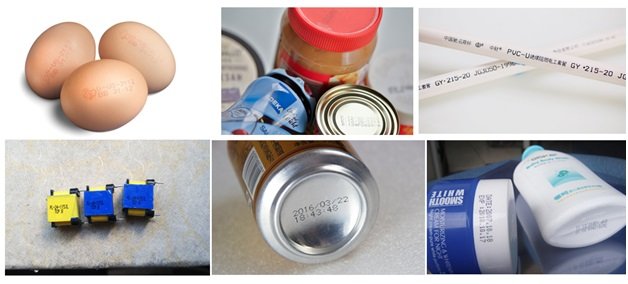
characters, usually under 12mm in height. This method is common for printing
dates and lot codes on bottle caps, cans, and blister packs, and it suits
high-speed lines in food, beverage, and pharmaceutical production where fine,
precise text is needed on small or curved surfaces. Because the ink circulates
continuously, these printers run reliably at high line speeds, though nozzles
need periodic cleaning to prevent clogging.
What Is a Large Character Inkjet Printer?
A large-character inkjet printer generally
uses Drop-on-Demand (DOD) technology, where ink is only ejected when needed
rather than circulated constantly. Characters are typically printed above
15–18mm in height, making this option suited to marking cartons, sacks, wooden
pallets, and pipes, particularly where codes need to be read from a distance on
a warehouse floor. It fits lower-to-medium speed lines where bold visibility
matters more than fine detail. Because ink isn't continuously recirculated,
large character systems tend to use less ink and require less maintenance than
CIJ units, though they aren't built for the same print resolution.
Where Industrial Inkjet Printers Fit In
"Industrial inkjet printer" is a
broader category covering any inkjet system built for factory-floor conditions
rather than office use. This includes both small and large character units,
along with thermal inkjet (TIJ) systems used for clean, high-resolution
printing on cartons and labels. What separates an industrial-grade printer from
a commercial one is durability: resistance to dust, vibration, and temperature
swings, along with the ability to run for extended shifts without failure.
Matching the Printer to the Product
Different industries lean toward different systems based on
packaging type and line speed. Food and beverage and pharmaceutical producers
commonly use small character CIJ printers for date and batch coding on primary
packaging. Cable and wire manufacturers rely on continuous small character
printing for writing specifications along cable length. Plastics and packaging
film producers often need high-speed small character printing that keeps pace
with film lines. Building materials and metal sheet fabricators typically favor
large character printers for visible marking on bulky or rough-surfaced goods.
FMCG and automotive parts manufacturers may use both types depending on whether
the marking is on primary product packaging or secondary shipping cartons.
Startup and SME manufacturers often begin with a single versatile small
character printer before adding large character units as product lines
diversify.
A Note on Suppliers
Because line speed, surface material, and character size
requirements vary so much between industries, it helps to work with a supplier
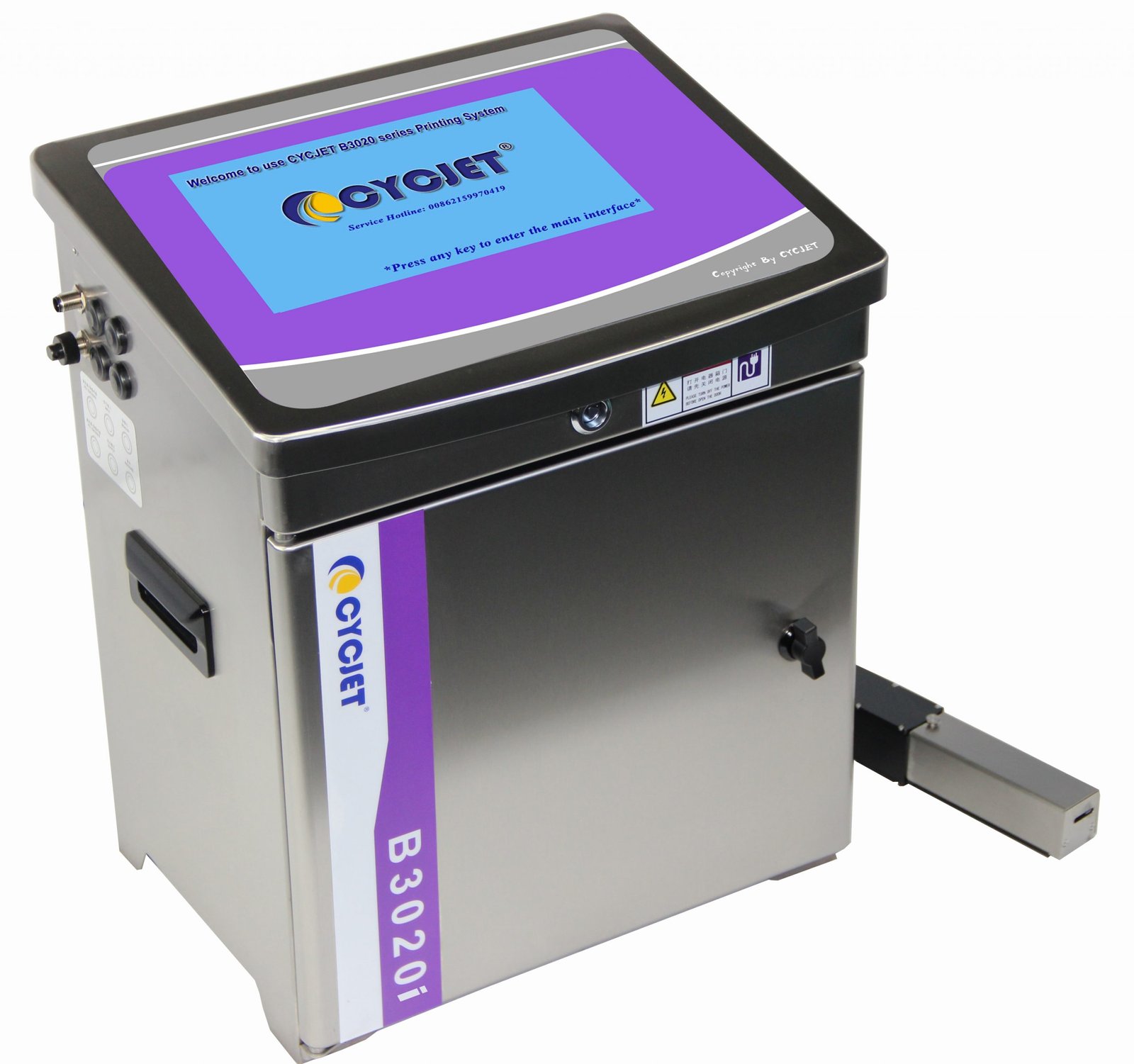
offering multiple printer types rather than a single fixed model. CYCJET
(cycjetinkjet.com) is one example of a manufacturer producing both small
character and large character inkjet printers, allowing buyers to compare
options against their specific product before purchasing.
Conclusion
Small-character inkjet printers suit fine for high-speed coding on
primary packaging, while large-character inkjet printers are built for bold,
visible marking on secondary packaging and bulk goods. "Industrial inkjet
printer" is the umbrella term covering both, distinguished mainly by
factory-floor durability. The right choice comes down to character size needed,
line speed, and surface material, not brand preference.

No comments:
Post a Comment